How does a tournament night actually run?
From the sign-up sheet in the foyer to the last hand under the spotlight: the whole evening, step by step.
Seven steps from the booth to the board
Sign up in the foyer
Pop into the old ticket booth and Christine will add your name to the list, or tick the box on the booking form. There's nothing to pay and no need to have played before. The list closes when the first hand is dealt, so don't leave it too late.
Have a bite first
The dining room's open all evening, and most players eat before the draw. Tell Glenn you're in the tournament and he'll time your plates so you're finished by half past seven, with room for pudding later.
Watch the draw
At seven, Adam draws names from an old popcorn tin and calls each player to a table. The draw decides everything, including where you sit and who you're beside. There are no seat swaps, and no complaints have ever been recorded.
Collect your chips
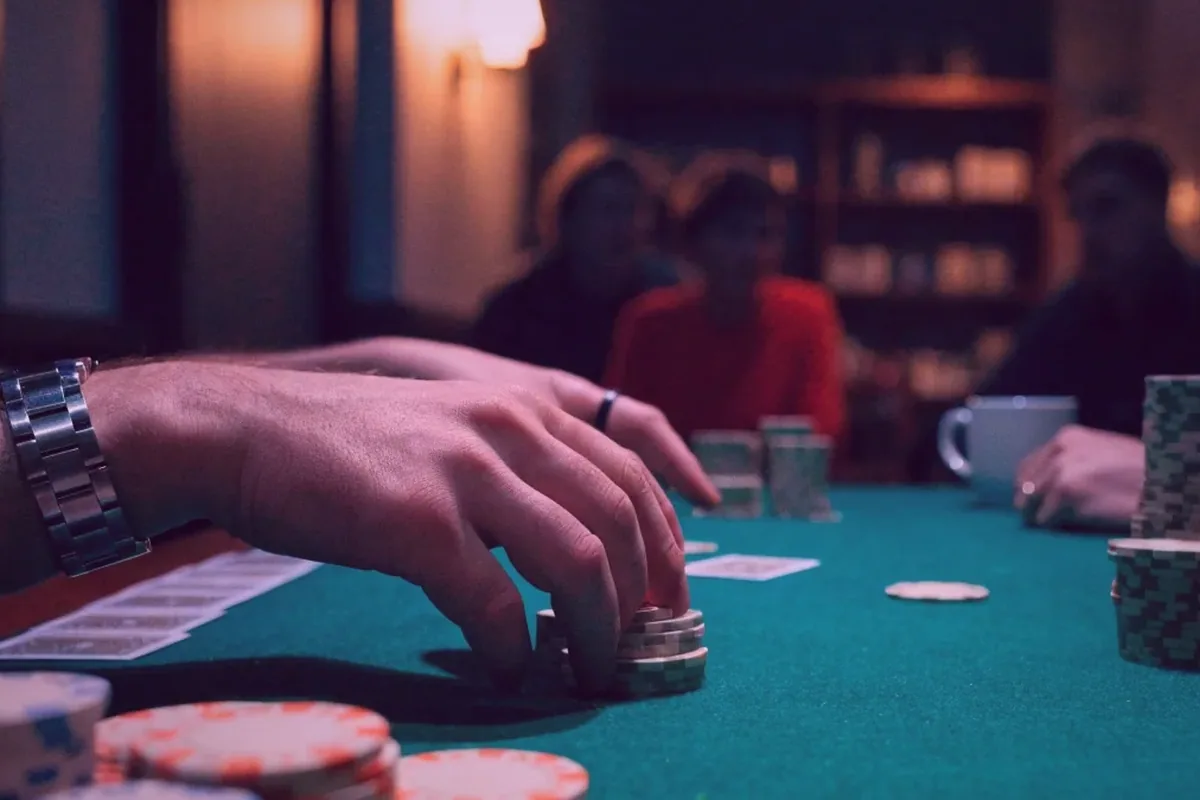
Everyone gets exactly the same stack of clay chips. They're counters with no money value, and they go back in the rack when you're out or when the night ends. Nobody can buy more, borrow more or lend any.
Play the levels
Play runs in twenty-minute levels, with a quiet chime between each. The dealer deals every hand and explains anything that's unclear. If you're stuck, just say so; half the room will want to help.
Break for tea
After the second level there's a fifteen-minute break, with tea, coffee and slices of apple cake carried up from the kitchen. The tables are tidied, the rail fills with chatter and everyone compares notes.
Reach the honour board
When the last table is down to one player, that person is Champion of the night. Their name is chalked on the honour board by the old stage door, the room claps, and a small pewter cup is shown around before it goes back on its shelf. Nothing else changes hands.
What time is everything?
Christine takes names at the booth while the dealers set the tables.
Names come out of the popcorn tin and players find their seats.
The first chime and the first hand, with the explanations at their fullest.
Fifteen minutes for tea, apple cake and a stretch in the foyer.
Tables are drawn together as players leave.
Last six players move to the stage end, under the best light.
The champion's name goes up in chalk, and the pewter cup does a lap of the room.
What's in it for the winner, really?
Honestly? Applause. The tournaments started because regulars kept asking for one, and I said yes on one condition: there'd be no money in it at all. The honour is a name on a board, a title and the memory of an evening that went well.
The honour board hangs just inside the old stage door, where everyone walks past it. A few names appear twice; one appears four times, and the owner is somewhat insufferable about it. Several belong to people who played their very first hand the night they won.
Everything is played on chips without money value. There are no entry payments, no cash prizes, no rewards and no side bets of any kind. The pewter cup stays in the long room and is never taken home. If you'd like to hold it for a photo, the dealer will usually oblige.
A quick word for beginners: you don't have to be good to enjoy it, and you don't have to stay to the end. Plenty of players are out within the first hour and spend the rest of the night at the rail, cheering on whoever knocked them out. That's half the fun, and Glenn sends up pastries for the audience.
Since there's nothing to lose, the mood's kind. People congratulate the ones who beat them, and the dealers are as likely to teach as to deal. It's the best way I know to spend a Friday.