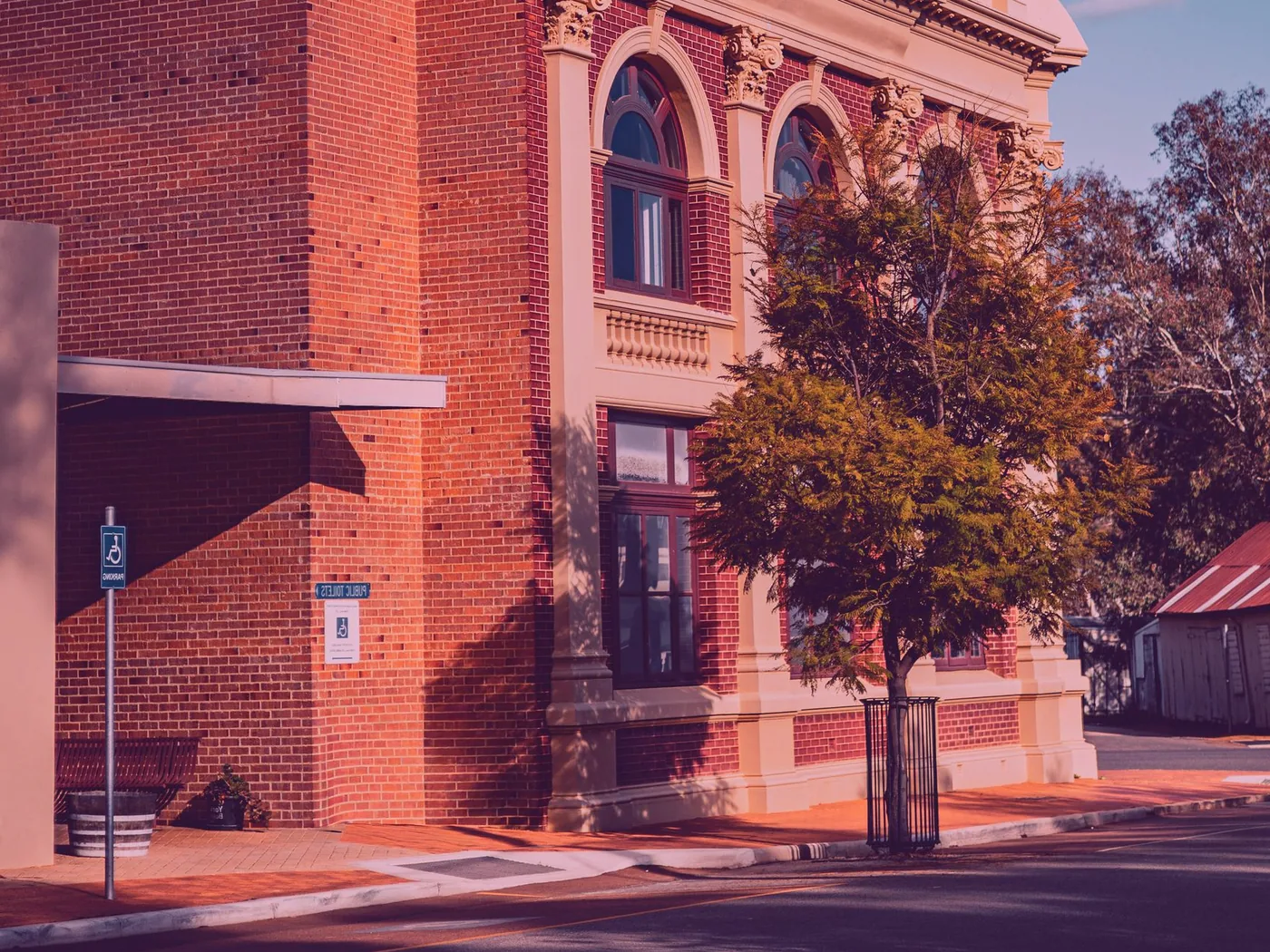
What's the story of this building?
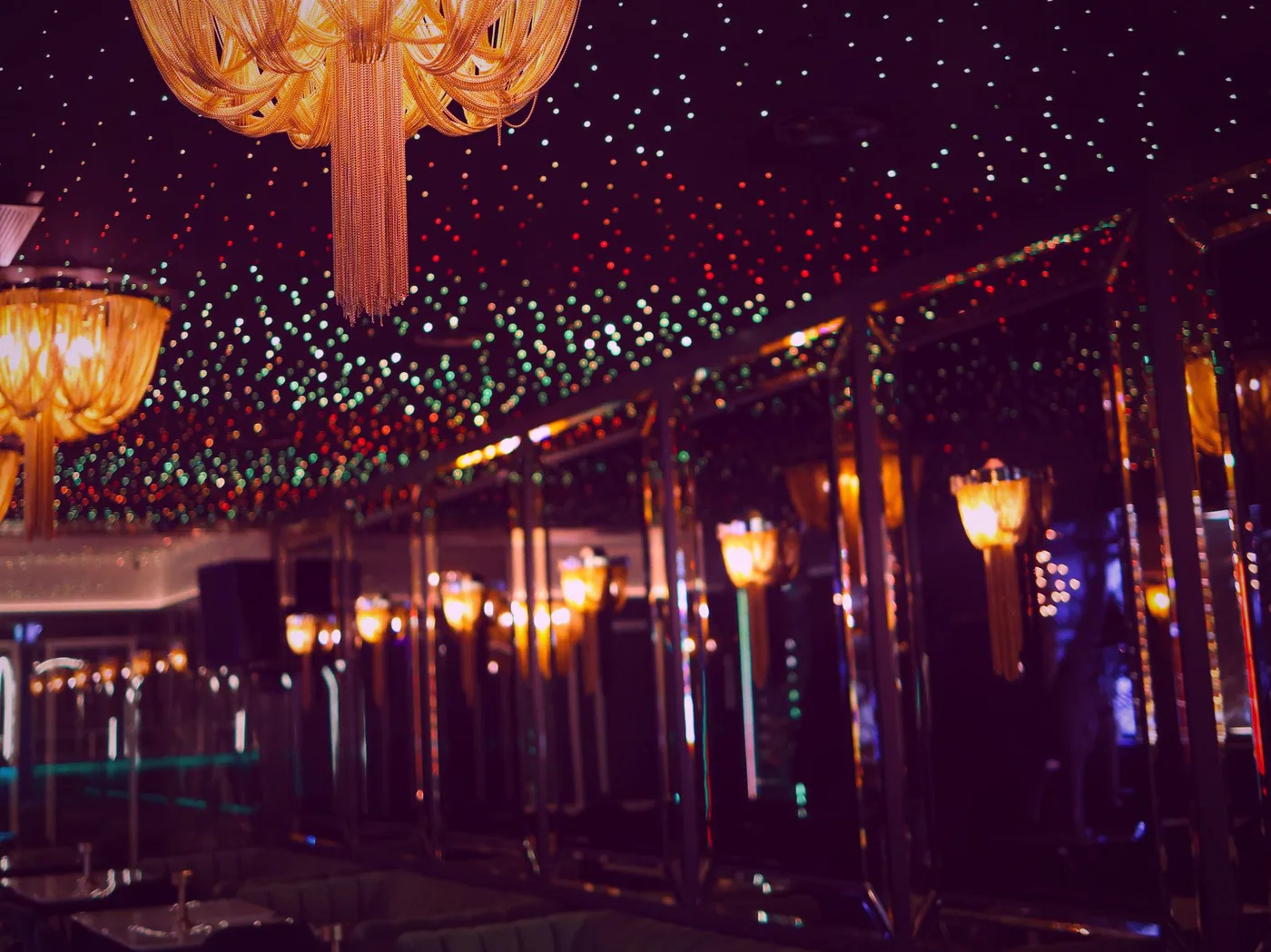
A picture theatre, a hardware store and now a dining room with a casino room in the stalls: the building's story.
Matinees, queues and a ticket booth
The theatre was built between the wars, when the Meander Valley's families filled the stalls on Saturday afternoons and the lane outside smelled of hot chips. It had a stage for visiting acts, a projection box up a steep ladder and a ceiling of plaster roses that looked down on three generations of audiences.
Television came, the audiences thinned, and the screen was bricked over. For years the building sold farm supplies, and the roses were hidden behind a false ceiling of fibro that nobody had the heart to rip down.
When I bought the place, we took the fibro down in a single afternoon. The roses were still there, a little dusty and perfectly whole. We stood on the stalls floor, looked up, and I think all of us went quiet.

What we kept, and what we changed
The ceiling and the arch
Both are original. The roses were cleaned by hand, a few at a time, with soft brushes and patience. The proscenium arch, once hidden by a wall of shelving, now frames the two roulette wheels at the stage end.
The ticket booth
My nan's booth is still beside the front door. Its brass grille has been polished, and the shelf where she kept the roll of tickets now holds the booking book. Christine sits there, and the cat from next door sometimes joins her.
The sloping floor
The old stalls sloped like a hillside. We levelled the floor into three terraces, each wide enough for tables and a rail. The old seats were sold to a theatre company, apart from two, which sit in the foyer for guests who've been waiting for a table.
What's gone
The screen, the projector and the usherette's torch are all gone, as is the smell of the hardware store. We miss none of them except the torch, which Angus still hopes to find.
Bits of the old theatre